Online Competitive Poker Playing in 2026
|
0
min read

Online Competitive Poker Playing in 2026


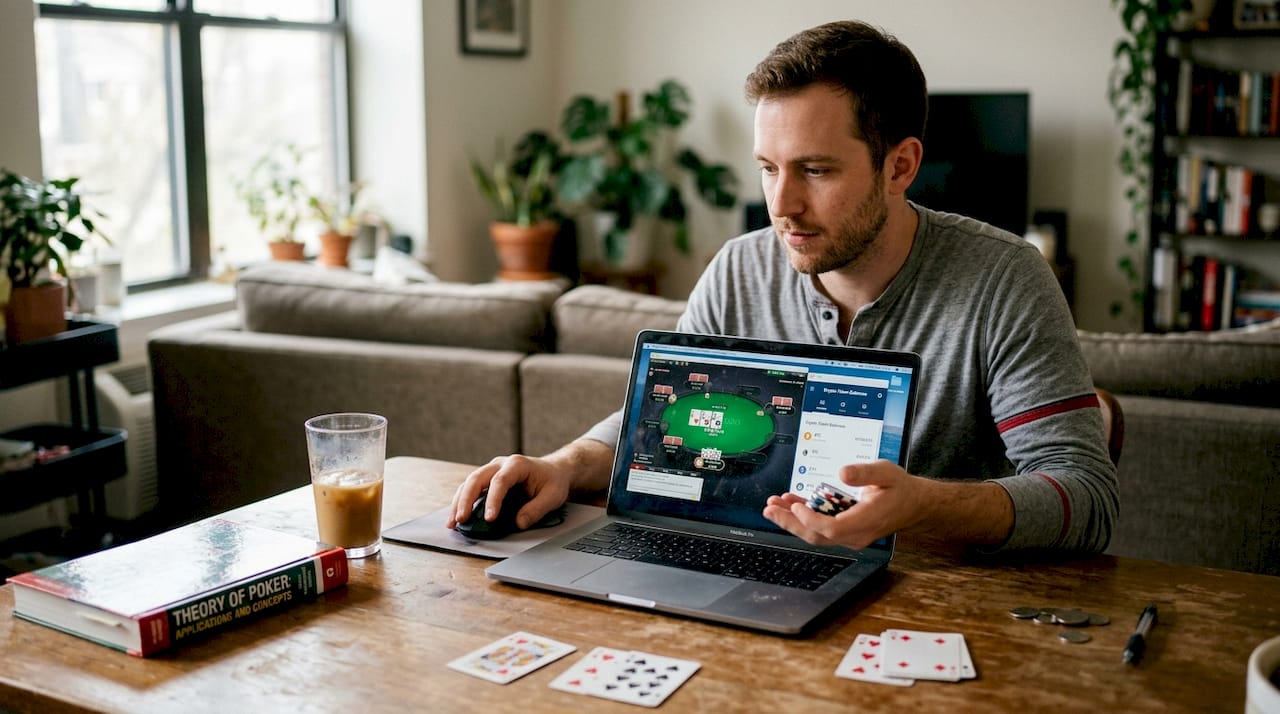
Competitive online poker is no longer just a casual card game played for fun. In 2026, it has evolved into a digital skill sport where players across the UK, Europe, and North America compete using logic, psychology, probability, and fast decision-making to win real rewards.
Unlike traditional gambling, competitive poker separates skill from pure chance. Over time, better decisions consistently outperform weaker ones. As platforms integrate blockchain technology for verifiable payouts and transparent systems, the gap between skill and luck continues to widen.
On freerollpoker.co.uk, the focus is simple: give players access to skill-based competition without unnecessary barriers — especially through freeroll formats that allow players to compete without risking deposits.
At the same time, innovative platforms such as Devilfish are integrating Ethereum smart contracts and blockchain-backed reward systems, proving how technology is reshaping competitive online poker for the modern era.
Defining Competitive Online Poker Today
Competitive online poker is a structured, skill-driven environment where players compete against each other — not the house.
Success depends on:
Mathematical reasoning
Positional awareness
Opponent profiling
Emotional discipline
Bankroll management
Long-term statistical thinking
Professional players consistently demonstrate that poker is not about “getting lucky” — it is about making higher expected value decisions repeatedly.
What makes modern competitive poker different?
Global real-time competition
Structured tournaments and leaderboards
Transparent prize pools
Mobile accessibility
Skill-based ranking systems
Increasing use of blockchain for payout verification
Platforms like freerollpoker.co.uk focus on accessible competitive formats, while Devilfish pushes innovation further through blockchain-secured ecosystems and community-driven gameplay.
Competitive poker in 2026 blends esports-style competition with financial strategy.
Types of Online Poker Tournaments Explained

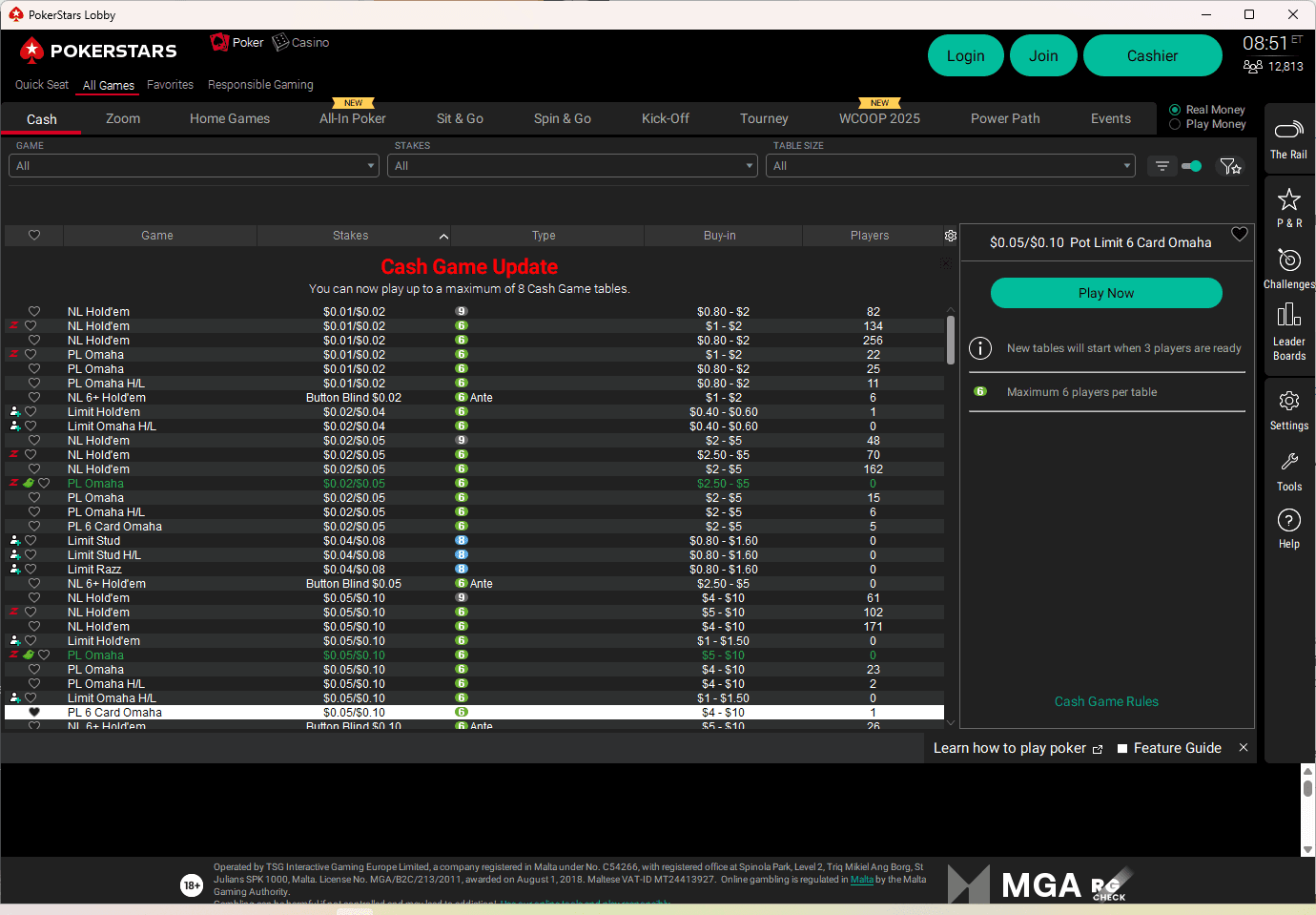
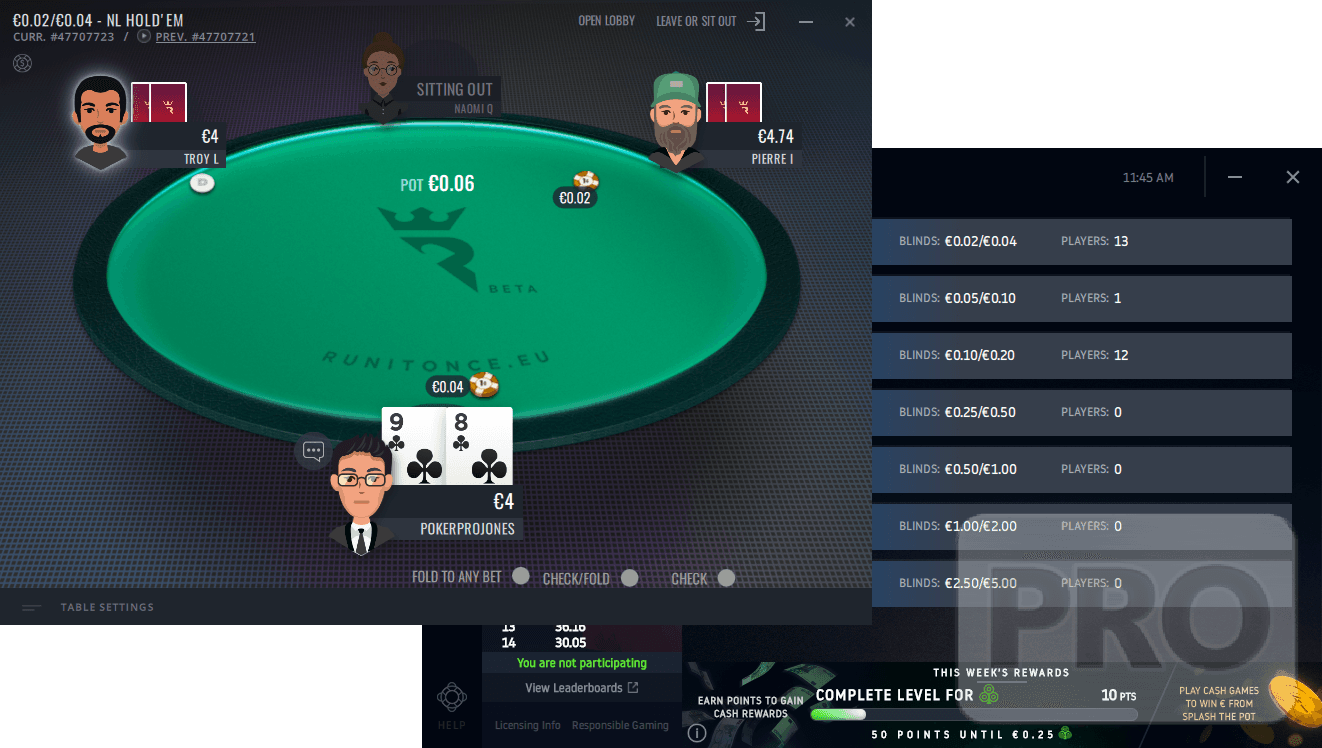

Understanding tournament structure is essential if you want to compete seriously.
1. Freeroll Tournaments
Freerolls allow players to enter without paying a buy-in while still competing for real prizes.
These are ideal for:
Beginners learning competitive dynamics
Players building bankrolls from zero
Risk-conscious competitors
FreerollPoker.co.uk specialises in these formats, giving players an entry point into competitive poker without financial exposure.
2. Sit & Go (SNG)
6–10 players
Starts immediately
Fast results
Ideal for short sessions
Strategic emphasis: Short-term aggression and positional play.
3. Multi-Table Tournaments (MTTs)
Scheduled start times
Large player pools
Big prize pools
Several hours of play
Strategic emphasis: Patience, stack preservation, adaptation.
4. Turbo Tournaments
Faster blind increases
Higher pressure
Quicker finishes
Strategic emphasis: Rapid decision-making and aggression.
5. Satellite Tournaments
Qualify for larger events
Lower entry cost
High upside
Strategic emphasis: Survival and efficient qualification.
6. Progressive Knockouts (PKOs)
Earn bounties for eliminations
Incentivises aggression
Adds psychological pressure
Strategic emphasis: Calculated risk-taking.
Different formats reward different skill sets. Specialising in one structure often leads to stronger long-term results.
How Blockchain Enhances Poker Rewards
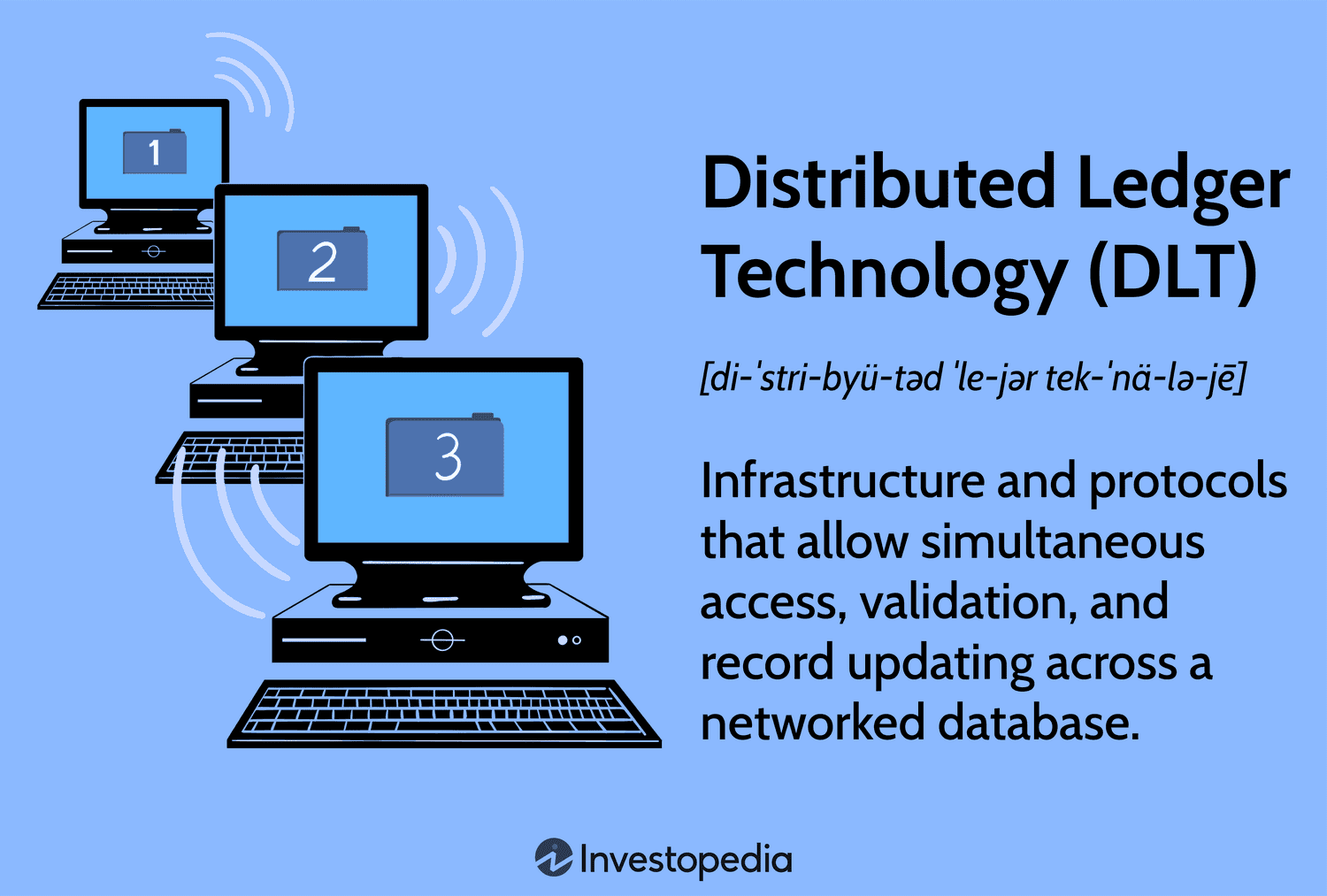
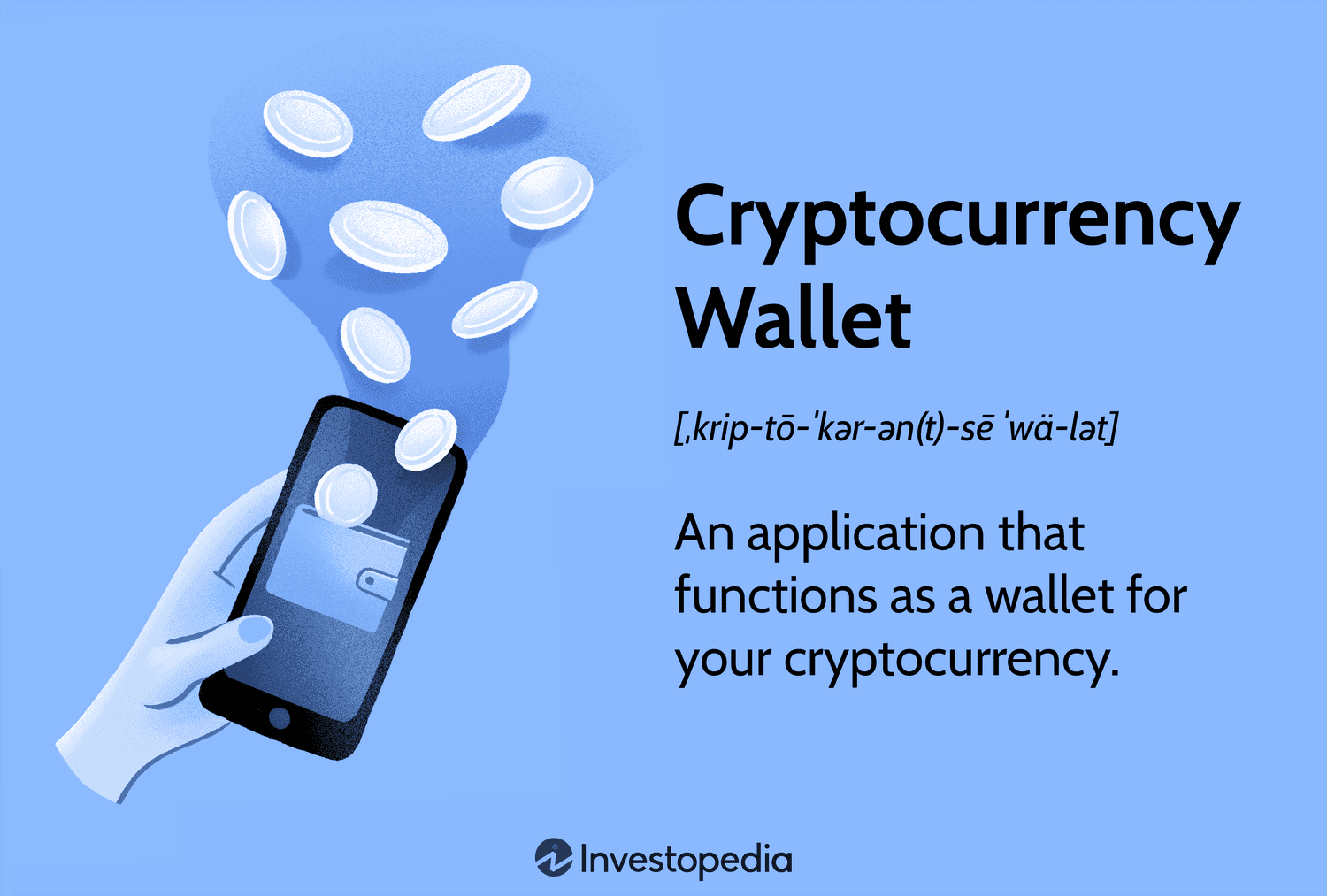
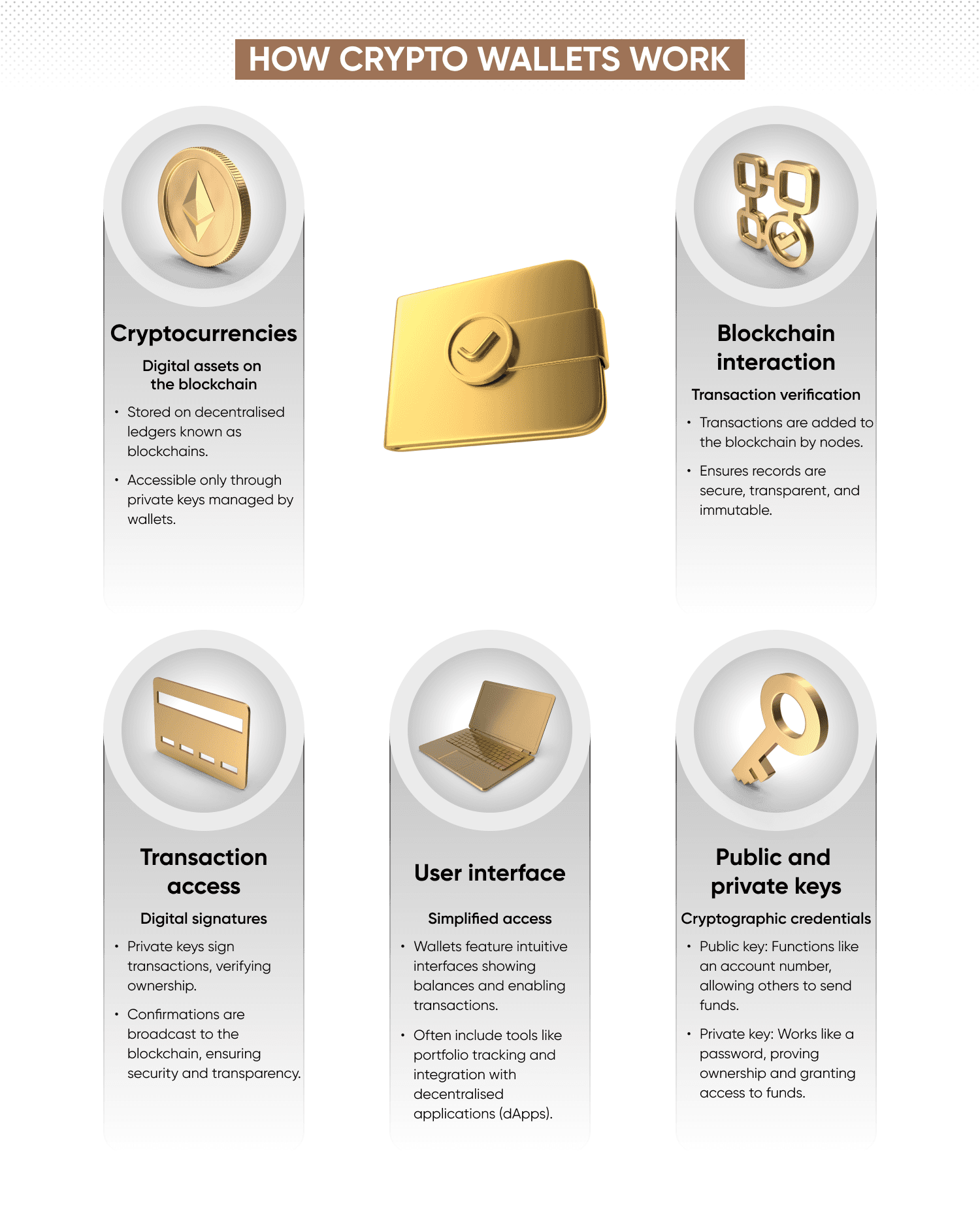
One of the biggest evolutions in competitive poker is blockchain integration.
Traditional poker platforms operate on centralized servers. Players must trust the operator to:
Shuffle fairly
Process payouts correctly
Secure funds
Avoid manipulation
Blockchain changes this.
Platforms such as Devilfish use Ethereum smart contracts to:
Automate payouts instantly
Record results immutably
Eliminate manual interference
Reduce fraud risk
Provide cryptographic transparency
Instead of trusting a company, players rely on mathematics and code.
Benefits include:
Blockchain Feature | Player Advantage |
|---|---|
Smart Contracts | Instant automatic payouts |
Public Ledger | Verifiable fairness |
Decentralized Storage | Improved fund security |
Immutable Records | Reduced disputes |
Transparent Rules | Increased trust |
While freerollpoker.co.uk focuses on accessible competition and player growth, blockchain-backed platforms represent the next evolution in competitive integrity.
The future of online poker rewards will likely combine skill competition with decentralized verification.
Key Risks and Financial Considerations
Competitive poker offers opportunity — but it also carries risk.
Key realities every player must understand:
1. Variance Is Inevitable
Even correct decisions lose in the short term. Downswings happen. Emotional control is critical.
2. Bankroll Management Is Essential
Serious players follow strict guidelines:
20–50 buy-ins for cash games
100+ buy-ins for tournaments
Never play with money you cannot afford to lose.
3. Emotional Discipline Wins
Tilt destroys bankrolls.
Fatigue reduces decision quality.
Chasing losses leads to collapse.
4. Time Control Matters
Online poker is accessible 24/7.
Set session limits.
Track performance.
5. Responsible Play Is Mandatory
Poker should remain a competitive skill pursuit — not a financial escape mechanism.
Freeroll formats on freerollpoker.co.uk provide a safer entry path for new competitors who want to test their skill without immediate financial exposure.
Why Competitive Online Poker Is Growing in the UK
The UK market is shifting toward:
Skill-first competition
Transparent reward systems
Community-driven ecosystems
Free-to-enter formats
Gamified experiences
Younger players increasingly treat poker as a strategic discipline rather than pure gambling.
As technology improves and blockchain adoption increases, competitive online poker will likely continue evolving into a hybrid of esports, finance, and digital competition.
Key Takeaways
Competitive online poker prioritises skill over luck
Tournament formats reward different strategic strengths
Freerolls offer risk-free entry into competitive play
Blockchain technology improves payout transparency
Bankroll discipline determines long-term sustainability
Emotional control separates professionals from recreational players
If you're looking to explore competitive freeroll tournaments and build skill without upfront risk, visit:
If you're interested in blockchain-backed poker rewards and Ethereum-secured transparency, explore:
Both platforms represent different but complementary evolutions in modern competitive online poker.
Frequently Asked Questions
What is competitive online poker?
It is a skill-based online environment where players compete against each other in structured tournaments and formats, aiming to win real rewards through strategic decision-making.
Are freeroll poker tournaments really free?
Yes. Freerolls allow entry without a buy-in while still offering real prizes, making them ideal for beginners or bankroll builders.
Is online poker mostly luck?
Short term, luck plays a role. Long term, skill dominates outcomes.
How does blockchain improve poker platforms?
Blockchain uses smart contracts and public ledgers to provide instant payouts, transparency, and reduced fraud risk.
Competitive online poker in 2026 is no longer just about cards — it’s about strategy, technology, discipline, and community.
And the landscape is only getting more competitive.